

This week my kids were under the weather, and our house moved at a slower pace than usual.
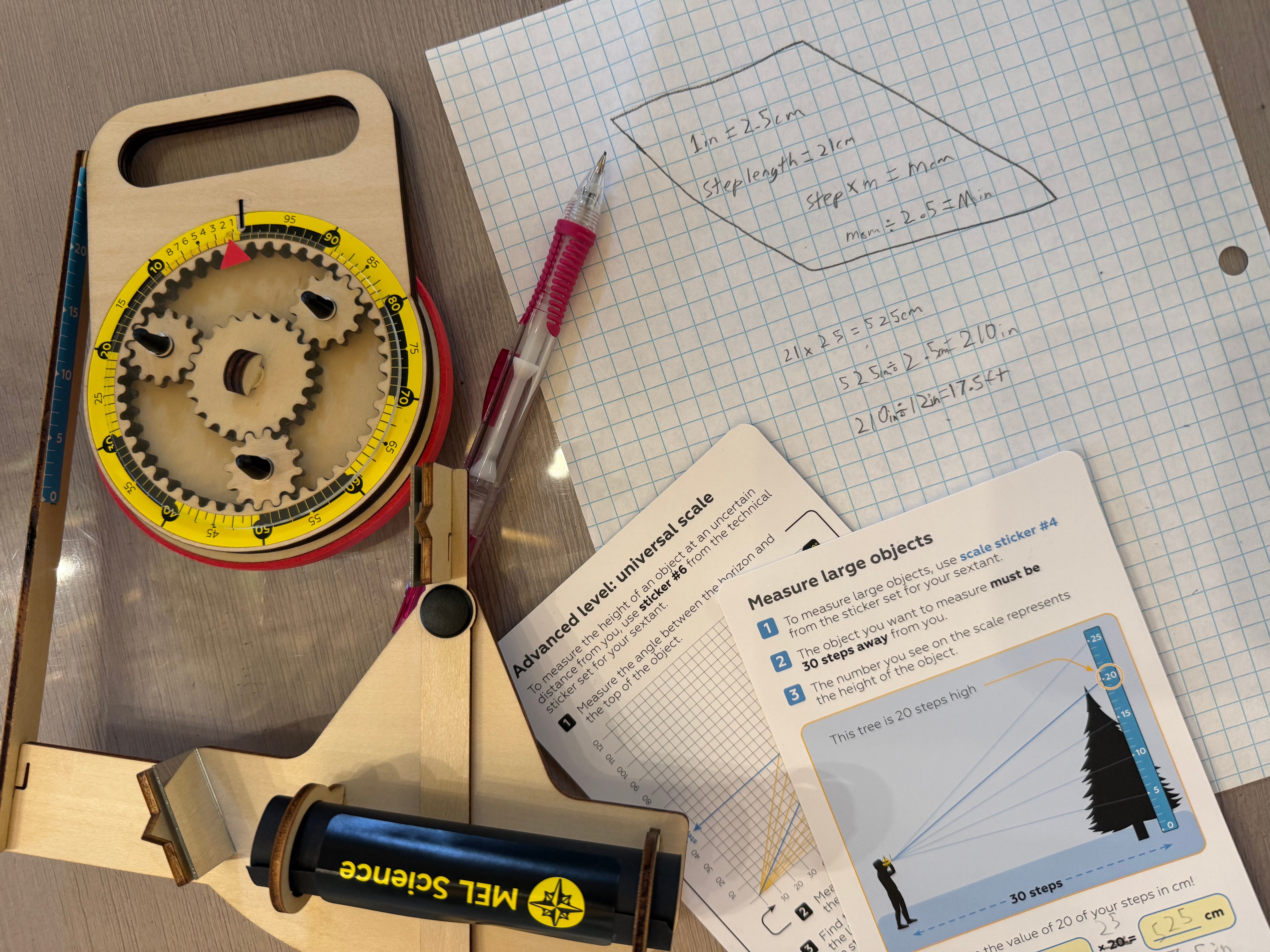
One afternoon, my son pulled out a craft subscription kit he had been excited about: a sextant, a tool that can measure heights and distances using angles and some fairly complicated math for a 6th grader. He carefully assembled all the pieces, laid everything out at the table, and then sat down to figure out how to actually make it work.
After a few minutes, I could see his frustration rising. His face tightened, his shoulders slumped, and before long there were tears.
I knew this was a project well within his capabilities. On any other day, he would have figured it out with patience and curiosity. But he wasn’t feeling his best. His brain was tired. His body was tired. And suddenly something that should have been challenging in a fun way felt overwhelming and impossible.
We set the kit aside for a few days.
Yesterday, completely on his own, he pulled it back out. He worked quietly at the table, then ran outside with his sextant in hand. A little while later, he came bursting in with a grin and said he had measured the height of our roof.
He did it! And it wasn’t because the task changed. It was because he did.
That experience has been on my mind as I think about what it’s like to start a GLP-1.
When I began compounded tirzepatide in August 2023, I was in a similar place emotionally and physically. I was exhausted, overwhelmed, and desperate for change. Everything felt hard. Even small decisions around food or movement felt loaded and stressful. I wanted to do everything right away. To follow every piece of advice, every rule, every optimization.
But when you’re not feeling your best, everything is harder. Even small mistakes can feel huge. And trying to take on too much at once can backfire.
What I wish I had known then, and what I’m trying to pass along now, is this: most of us would benefit from giving ourselves a true adjustment period on a GLP-1 before diving into all the complicated work we think we need to do.
In the beginning, the most important thing isn’t perfection. It’s simply taking the shot, paying attention to how your body feels, and starting to understand your new reality. You don’t need to overhaul your life overnight. You don’t need to have everything figured out on week one.
As your body settles in, your energy improves, and your brain quiets down, you’ll naturally feel more capable. That’s when you’ll be able to take on bigger goals with clarity instead of panic.
That’s exactly what I explore in this week’s video.
I share ten common ways people accidentally make GLP-1 weight loss harder than it needs to be, especially when they’re starting from a place of overwhelm or desperation, and what tends to work better instead.
If you’re new to GLP-1s, or if you’ve felt stuck, frustrated, or rushed to “do all the things,” I think this one will resonate.
You can watch it here:
As always, I’d love to hear your thoughts. Have you ever had a moment where stepping away made all the difference?
Thank you for being here with me. Wishing you the best week ahead!
Meghann
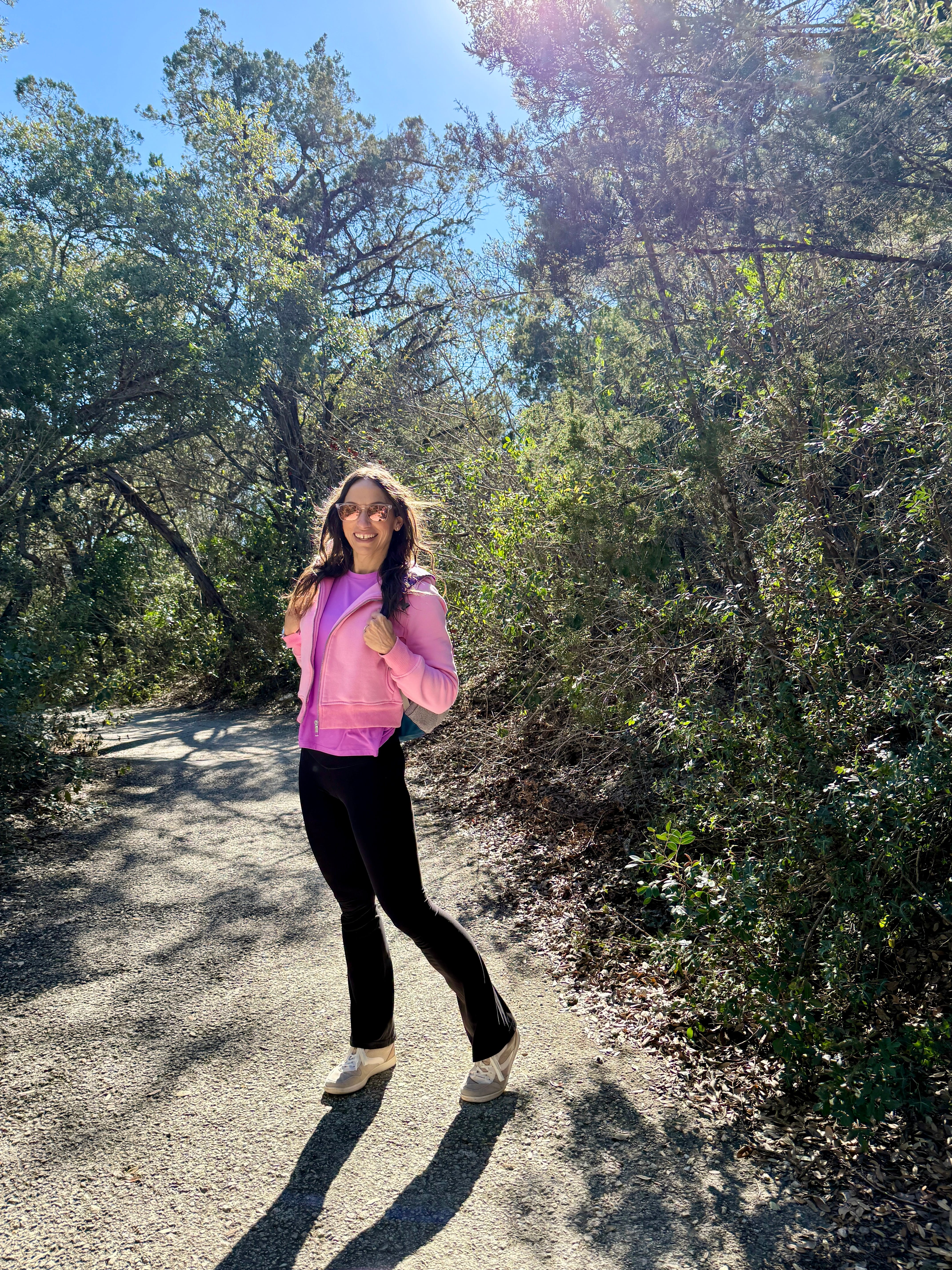
P.S. I decided on a New Year’s resolution to take a hike every week this year with friends. I talk a lot about combining fitness with social experiences, and this is a great way to do that! Here was hike 2/52 for 2026 with my kids Girl Scout troop. If you’re local to San Antonio and want to meet for a hike- let’s chat!
Meghann, this is gold! I love how you were able to take something that was seemingly innocent and turn it into a life lesson. Giving ourselves some grace, patience, and encouragement can be all the help we need when on a health journey. Thank you for sharing.
Love this! So true.